

TL;DR
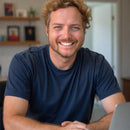
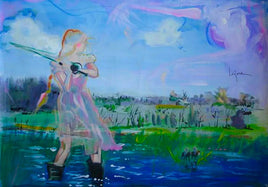
- Tim Cunningham is a Vermont-raised oil painter inspired by rural life, light, and atmosphere.
- He studied representational painting under Brian Jekel and shifted fully into oils in 2020.
- His process moves from reference gathering to thumbnails, underpainting, and layered refinement.
- Limited edition prints help him share his work globally while maintaining exceptional quality.
Meet Tim Cunningham
Tim Cunningham grew up in Cambridge, Vermont, a landscape long associated with American painters and deeply tied to his creative journey. With a family legacy of artists, Tim was inspired early to pursue a life in art.
Studying under Brian Jekel at Pensacola Christian College, he developed a foundation for representational painting that continues to shape his work today. Tim has earned recognition from outlets and organizations including Southwest Art, PleinAir Salon, and the Art Renewal Center. Grateful for the gift of life, he signs each painting with “PTL” for “Praise The Lord.”


For collectors buying editions, it helps to understand what “giclée” actually means and why it matters for longevity and detail. Here’s a clear overview: What Is Giclée Printing?
The Interview
Can you tell us a bit about your journey as an artist? What sparked your interest in art?
My journey as an artist began in childhood, growing up in the Champlain Valley of Vermont. Surrounded by the beauty of rural America, I developed a deep love for the land, animals, and the quiet rhythm of nature. My mother homeschooled me, and her emphasis on fostering creativity gave me the freedom to explore art early on.
While my artistic curiosity was always there, I didn’t seriously consider it as a career until college. That’s where my passion for oil painting really took root. What sparked my interest was the idea that I could preserve fleeting moments, like light filtering through a forest or the quiet strength of livestock in a field. Painting feels like a way to honor and share the beauty of creation.

Who are your biggest artistic influences, and how have they shaped your work?
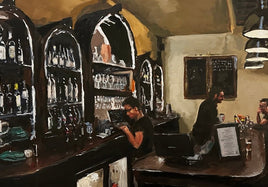
Some of my biggest influences are masters like John Singer Sargent, Winslow Homer, Anders Zorn, and Heinrich von Zügel. Their ability to capture light, atmosphere, and texture with confidence and economy of brushstroke continues to inspire me. Sargent’s mastery of edges, Zorn’s brilliance with limited palettes, and Homer’s way of finding beauty in everyday life all resonate with my love of rural themes. Zügel’s painterly livestock compositions have been especially impactful in how I approach animals and pastoral scenes.
How do you stay motivated and inspired to continue creating new work?
I have a long list of paintings I want to paint, so I start the next one as soon as I finish the last one.

Could you describe your creative process? How do you typically begin a new piece?
My process begins with inspiration, usually sparked by the natural world or the quiet stories of rural life. Once I have an idea, I gather references through plein air sketches, photos, or direct observation.
Next, I make small composition sketches to test shape placement, value balance, and the mood I want to convey. Once the composition feels solid, I begin with an underpainting, often a warm wash to establish values and harmony. From there I build in layers, refining as I go using wet-on-wet, glazing, and scumbling to create depth and texture.
The most rewarding part is the final touches where a small flick of the brush can bring life to an eye or a sparkle to light. That’s when I know the painting is ready.
What are some key tools or materials you use in your work and why are they important to you?
I work exclusively in oils because of their richness, flexibility, and ability to layer and blend. They allow subtle transitions in color and light, which is essential for capturing the atmosphere and textures I love.

What has been the most challenging phase in your career? How did you overcome it?
One of the most challenging phases was the COVID-19 pandemic. The traditional gallery model I relied on became unstable. Shows were canceled and galleries closed, and it felt like the career I had built was slipping away.
It was a turning point. I realized I had been giving up control and 50% of every sale, so I pivoted to building a direct connection with my audience. I began teaching online, selling directly, and engaging more intentionally with collectors and students. It was terrifying at first, but it forced me to grow and ultimately gave me the freedom to shape my own path.

How do you balance the commercial aspects of being a professional artist with your creative process?
Balancing the commercial side is ongoing, but moving away from relying entirely on galleries helped me connect directly with collectors. I dedicate specific time to the business side so that when it’s time to paint, I can focus fully on the studio. I’ve learned to view the commercial side as relationship-building with the people who support this work.
What advice would you give to artists trying to gain more exposure for their work?
Focus on building genuine connections. Social media works best when you share your story and engage meaningfully. Post consistently, show your process, and let people see what inspires you. Authenticity matters.
If you could change one thing about the art industry, what would it be?
Honestly, I think 2025 is going to be better than 2024. There are so many ways to connect, learn, and grow. I can’t think of anything I’d change, I’m just excited for the future.

Printing with The Stackhouse
How has working with The Stackhouse Printery impacted your work or opened new opportunities for you?
The Stackhouse Printery has made it possible for me to release limited edition prints at an exceptionally high quality. They’ve also helped me ship them all over the world.
For limited editions, presentation matters. Choosing the right size and border options can help the print feel intentional and gallery-ready: Selecting Print Size and Border Options
Ready to print your own editions with museum-quality detail? Giclée Fine Art Prints