

What Is a Float Mount Frame for a Paper Print?
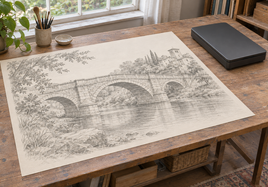
A float mount frame presents a paper print with its complete physical perimeter visible. The sheet is supported on a backing instead of being tucked beneath an overlapping window mat. The visible area can include the printed image, an unprinted border, the paper edge, and backing around the sheet.
This treatment differs from a float frame for canvas. A canvas float frame places visual space between a stretched canvas and the surrounding frame. Paper float mounting describes how a loose sheet is presented and supported behind glazing.
The main difference is what forms the outer boundary. A float mount makes the full sheet part of the presentation. A window mat creates the visible boundary with a cut opening and conceals the physical paper edge.
What Remains Visible in a Float-Mounted Presentation?
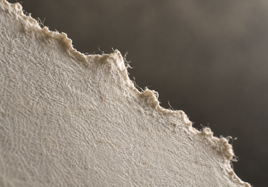
Read a float-mounted presentation from the center outward. First comes the printed image. An optional unprinted border may surround it. Next comes the actual cut edge of the paper. Beyond that edge, part of the backing remains visible. The frame surrounds the arrangement, while glass or acrylic covers the front.
The print border and visible backing are separate elements. A border is blank paper included within the final sheet. The backing is a different material behind the print. The framer determines how much backing shows around the sheet as part of the frame design.
Ordering loose giclee fine art prints allows you to choose the paper, image size, and added border before taking the sheet to a qualified framer. Those choices determine what the float mount can reveal. A wide border leaves more paper between the image and cut edge. With no border, the image may extend to or near that edge.
A float mount does not always look raised or cast a strong shadow. Its defining visual feature is the exposed sheet perimeter with backing visible around it. Elevation, spacing, and shadow vary with the frame design.
How a Window Mat Changes What You See
A window mat is a board with an opening cut into it. It sits in front of the paper and overlaps the sheet around the opening. That overlap hides the physical edge. The opening can still reveal the full printed image, a signature, a plate mark, or a selected part of an unprinted border.
The Canadian Conservation Institute guidance for matting works on paper describes an overlap of at least 2 to 4 mm for its recommended mat construction. That measurement is conservation guidance for the method described, not a universal rule for every commercial frame.
A window mat also creates space between the print and the glazing. Its broad field can establish a clean visual boundary around the art. When comparing mat width, color, and the area shown through the opening, see how to choose the right matting for your prints.
Choose Based on the Paper Edge, Border, and Visual Boundary
Consider a loose print for professional float mounting when the complete sheet edge matters to the work. This approach lets viewers see the paper as a physical object. It can also keep an intentional unprinted border visible from the image to the cut edge.
Choose a window-matted presentation when you want the mat opening to define the boundary. The mat covers a narrow part of the sheet, so the outer edge is removed from view. Its opening can be planned to show the image, a signature, or a chosen amount of border.
Border size affects either result. With no added border, a float mount may reveal printing near the paper edge. A narrow border adds a slim paper margin. A wider border leaves more visible paper between the image and edge. Beneath a window mat, some border may remain visible, but the mat still conceals the outer perimeter.
Decide what should show before ordering the print. Image size, border size, final sheet size, mat opening, and frame proportions work together. For more help comparing frame materials and proportions while making this choice, read how to choose the right frame for your artwork.
Support and Glazing Clearance Still Matter
Float mounting is a visual choice, not a preservation guarantee. A paper print should be supported with chemically stable materials. It must also remain clear of the glass or acrylic at the front of the frame.
The Library of Congress preservation guidelines for matting and framing state that a sufficiently thick window mat or perimeter spacers can keep paper from touching the glazing. The guidance also says overmatting provides more protection than floating. Float mounting should not be treated as the more protective choice by default.
The Canadian Conservation Institute recommends a spacer-based frame without a window mat only for flat, stable works. Its guidance for framing works of art on paper warns that friable media, cracked or flaking paint, cockling, and buckling may still reach the glazing. Friable media includes loose surfaces such as pastel, chalk, or charcoal that can shed particles.
A qualified framer or paper conservator should assess vulnerable work. Suitable support and clearance depend on the paper, medium, condition, and complete frame package. No single spacer depth or attachment method is right for every print.
Final Takeaway
A float mount reveals the complete paper perimeter and surrounding backing. A window mat overlaps the sheet and hides its outer edge. Choose floating when the paper edge, paper character, or added border should remain visible. Choose a window mat when you prefer a crisp overlapping boundary.
For a float-mounted result, order a loose print with the paper, image size, and border you want, then work with a qualified framer. For a window-matted result, plan the opening around the image and any signature, plate mark, or border that should remain visible.
FAQ
Does every float-mounted paper print have a visible gap or shadow?
No. The defining feature is that the complete sheet perimeter and some surrounding backing remain visible. Elevation, spacing, and any resulting shadow depend on the frame design.
Is float mounting more protective than using a window mat?
No. Library of Congress guidance says overmatting provides more protection than floating. Either presentation still needs chemically stable materials, suitable support, and enough clearance to prevent contact with the glazing.
Can every paper print be float mounted?
No. CCI recommends a spacer-based presentation without a window mat only for flat, stable works. Friable media, flaking surfaces, cockling, buckling, or other vulnerable conditions require assessment by a qualified framer or paper conservator.
Does a printed border count as the visible backing?
No. A printed or unprinted border is part of the paper sheet. The backing is the separate support visible beyond the physical edge of a float-mounted print.